Choosing a dog is not just about finding a breed you admire — it’s about recognizing quality, stability, and long-term wellbeing. While many people focus on appearance or popularity, responsible ownership begins with understanding what makes a dog well-bred.
A well-bred dog is not defined by extremes, trends, or exaggerated features. Instead, it reflects careful selection, ethical breeding practices, and intentional development aimed at producing dogs that are physically sound, mentally stable, and suited for companionship.
This guide explains the key signs of a well-bred dog, how to evaluate them, and why these indicators matter long before health or behavior problems appear.
For foundational context on choosing a dog responsibly, start with:
👉 What Every Dog Owner Should Know Before Choosing a Breed
What “Well-Bred” Really Means
A well-bred dog is the result of intentional breeding decisions made with the dog’s long-term welfare in mind.
Responsible breeding prioritizes:
- Functional structure
- Stable temperament
- Predictable behavior
- Long-term health
- Suitability for real-life environments
This concept is explored in depth in:
👉 Understanding Responsible Dog Breeding
Well-bred does not mean expensive, rare, or extreme. It means the dog was produced with balance, care, and responsibility.
1. Stable, Predictable Temperament
Temperament is one of the strongest indicators of breeding quality.
Well-bred dogs typically display:
- Calm confidence rather than fearfulness
- Curiosity without reactivity
- Comfort around people and environments
- Emotional resilience during new experiences
While environment and training matter, genetics shape baseline temperament. Dogs bred without regard for temperament are more likely to develop anxiety, aggression, or instability.
For deeper insight into how temperament differs across breeds and individuals, see:
👉 How Dog Temperament Varies Across Breeds
2. Balanced Physical Structure
Structure affects far more than appearance — it determines how a dog moves, ages, and stays healthy.
Signs of good structure include:
- Proportionate body balance
- Straight, stable limbs
- Strong but not exaggerated joints
- Smooth, efficient movement
- No visible strain when standing or walking
Poor structure often leads to early joint issues, chronic pain, and reduced quality of life.
Structure must align with a dog’s size and purpose, which connects directly to:
👉 Exercise Needs by Dog Size and Breed Type
3. Ease of Handling and Human Interaction
Well-bred dogs are typically:
- Comfortable being touched
- Calm during routine handling
- Accepting of grooming and veterinary care
- Social without being overly dependent or fearful
These traits reflect early neurological stability and proper selection of breeding pairs.
Handling tolerance is often reinforced during early puppy development, which begins with preparation at home:
👉 Puppy Preparation Checklist for First-Time Owners
4. Age-Appropriate Behavior and Development
A well-bred puppy behaves like a puppy — curious, playful, responsive, and adaptable.
Red flags in young dogs may include:
- Extreme fear responses
- Excessive lethargy
- Inability to settle
- Hyper-reactivity to normal stimuli
Early development is strongly influenced by genetics and early environment, which connects to:
👉 How Early Socialization Shapes Adult Behavior
5. Predictable Energy Levels
Energy should match:
- Breed tendencies
- Size category
- Age and development stage
Well-bred dogs tend to:
- Settle after activity
- Respond to structure and routine
- Balance play with rest
Dogs bred without consideration for balance may show:
- Constant overstimulation
- Difficulty calming down
- Frustration-driven behaviors
Balanced energy is supported by appropriate nutrition and exercise, both of which must align:
👉 Dog Nutrition Basics: What Owners Often Get Wrong
6. Consistency Across Littermates
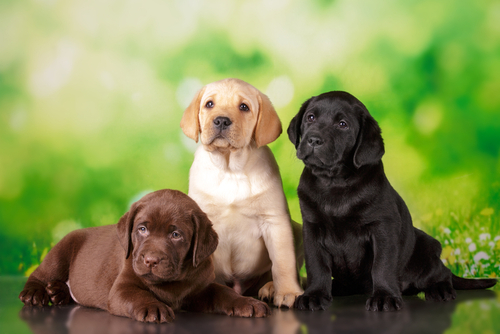
One often-overlooked sign of good breeding is consistency.
Well-bred litters typically show:
- Similar structure across siblings
- Comparable temperaments
- Predictable adult size ranges
- Uniform developmental pacing
High variability within a litter may indicate:
- Random pairings
- Poor genetic planning
- Inconsistent breeding goals
Consistency reflects intentional selection, not chance.
7. Transparency and Documentation
Responsible breeding programs prioritize transparency.
This often includes:
- Clear lineage information
- Health screening disclosures
- Honest discussions about strengths and limitations
- Willingness to educate buyers
Transparency protects both the dog and the future owner — and aligns with ethical ownership values introduced in:
👉 Understanding Responsible Dog Breeding
8. Long-Term Suitability for Modern Living
A well-bred dog fits into real homes, not idealized environments.
They are more likely to:
- Adapt to household routines
- Handle mild stress
- Integrate into family life
- Respond well to training foundations
Training success depends heavily on temperament and structure, which support:
👉 Training Foundations Every Dog Should Learn
Common Misconceptions About “Well-Bred” Dogs
Myth: A well-bred dog never has health issues
Truth: Good breeding reduces risk but does not eliminate biology
Myth: Appearance defines quality
Truth: Function, movement, and behavior matter far more
Myth: Only show dogs are well-bred
Truth: Many companion dogs are bred responsibly without show involvement
Why These Signs Matter Before Problems Appear
Most owners encounter health or behavior issues after selection — when prevention is no longer possible.
Learning to recognize quality early:
- Reduces long-term veterinary costs
- Improves training success
- Increases emotional compatibility
- Supports ethical breeding ecosystems
These indicators act as early-warning systems, helping owners make better decisions upfront.
Transition: Understanding the Consequences of Poor Breeding
While recognizing signs of a well-bred dog helps owners make informed choices, it is equally important to understand what happens when these standards are ignored.
Dogs bred without attention to structure, temperament, or size appropriateness are at significantly higher risk for:
- Joint disorders
- Respiratory problems
- Digestive issues
- Behavioral instability
- Shortened lifespans
These risks are not random — they often correlate directly with size category and physical exaggeration.
In the next guide, we explore this relationship in detail:
👉 Common Health Issues by Dog Size Category
Understanding these patterns helps owners connect breeding decisions to lifelong outcomes, reinforcing why prevention begins before a puppy ever comes home.
📘 Continue Exploring Dog Health & Quality
(Article #8: Signs of a Well-Bred Dog)
A well-bred dog reflects responsible decisions made long before adoption. These guides help connect breeding, care, and lifestyle into a complete ownership framework:
→ What Every Dog Owner Should Know Before Choosing a Breed
→ How Dog Temperament Varies Across Breeds
→ Understanding Responsible Dog Breeding
→ Puppy Preparation Checklist for First-Time Owners
→ Dog Nutrition Basics: What Owners Often Get Wrong
→ Exercise Needs by Dog Size and Breed Type
→ Grooming Fundamentals for Short- and Long-Coated Dogs
Education empowers owners to recognize quality, responsibility, and long-term wellbeing.