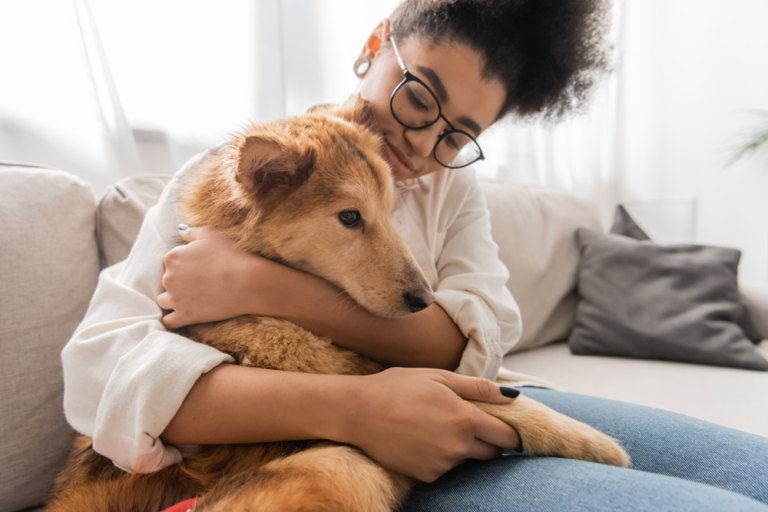
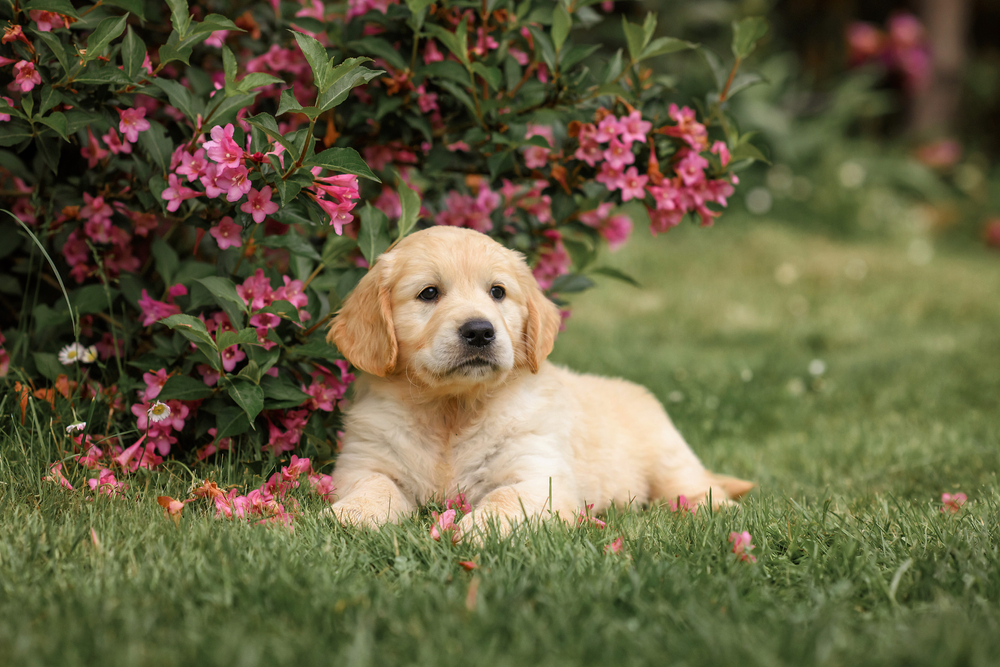
Bringing a puppy home is exciting—but preparation is what determines whether those first weeks feel calm and rewarding or overwhelming and stressful. Puppies don’t arrive knowing how to live in a human home. They rely on structure, consistency, and thoughtful planning from day one.
This checklist walks first-time owners through what to prepare before, during, and after bringing a puppy home. It focuses on readiness, environment, routine, and mindset—so your puppy starts life in your home with clarity and confidence.
For a broader foundation on responsible ownership, start here:
👉 What Is Modern Dog Ownership?
Why Preparation Matters More Than Supplies
Many people focus on buying items but overlook emotional, behavioral, and lifestyle readiness. While supplies are important, preparation is about systems, not just objects.
A well-prepared home helps puppies:
- Adjust faster
- Feel safer
- Learn routines more easily
- Develop confidence instead of anxiety
Preparation also helps owners respond calmly rather than reactively—setting the tone for the entire relationship.
Step 1: Assess Your Lifestyle Before the Puppy Arrives
Before bringing a puppy home, evaluate your daily life honestly.
Ask yourself:
- How many hours will the puppy be alone each day?
- Who is responsible for training, feeding, and exercise?
- Are schedules predictable or variable?
- Is everyone in the household aligned on rules and expectations?
Matching a puppy’s needs to your lifestyle reduces frustration and improves long-term success. This evaluation connects closely to:
👉 Choosing the Right Dog for Your Lifestyle
Step 2: Create a Puppy-Safe Environment
Puppies explore the world with their mouths and paws. What feels harmless to an adult dog—or invisible to a human—can be dangerous to a curious puppy. Creating a puppy-safe environment reduces accidents, prevents emergency situations, and helps your puppy feel secure from the moment they arrive.
A safe space also builds trust. When puppies aren’t constantly corrected or startled by hazards, they learn more quickly and settle more easily into their new home. This early sense of safety directly supports long-term behavior and confidence.
For a deeper look at how early environments influence adult behavior, see:
👉 How Early Socialization Shapes Adult Behavior
Puppy-Proofing Basics
Start by viewing your home from a puppy’s eye level. Anything reachable, chewable, or swallowable should be addressed before the puppy arrives.
Key puppy-proofing steps include:
- Remove loose cords, shoes, and small objects
- Secure trash cans with lids or place them out of reach
- Store cleaning products, medications, and chemicals in locked cabinets
- Block access to stairs, balconies, or unsafe rooms
- Move fragile items off low surfaces
- Keep houseplants out of reach (many are toxic to dogs)
Puppy-proofing isn’t about restriction—it’s about preventing confusion and accidents during early learning.
Reducing environmental stressors early supports calmer behavior and smoother training, a principle expanded on in:
👉 Training Foundations Every Dog Should Learn
Designate a Calm “Home Base”
Puppies adjust more easily when they have a predictable space of their own. This area should be quiet, comfortable, and free from constant foot traffic.
A good puppy home base includes:
- A crate or enclosed sleeping area
- Soft, washable bedding
- Access to water
- A few appropriate chew or comfort toys
This space becomes your puppy’s place to rest, decompress, and feel safe—especially during the first days in a new environment.
Creating a reliable home base supports emotional regulation and independence, both of which are essential for healthy development and are discussed further in:
👉 How Dog Temperament Varies Across Breeds
Manage Access Gradually
Avoid giving your puppy full access to the entire home right away. Gradual exposure helps prevent overwhelm and reduces accidents during house-training.
Start with:
- One or two puppy-proofed rooms
- Supervised exploration only
- Short periods of freedom followed by rest
As your puppy learns boundaries and routines, access can expand naturally.
This gradual approach aligns with modern, relationship-based training methods rather than correction-driven learning.
Reduce Overstimulation
Too much noise, movement, or interaction early on can increase stress and interfere with learning.
To support a calm transition:
- Limit visitors during the first few days
- Keep background noise moderate
- Allow uninterrupted rest periods
- Avoid constant handling or excitement
A balanced environment helps puppies process new experiences without becoming overwhelmed, reinforcing principles discussed in:
👉 What Is Modern Dog Ownership?
Why Environment Preparation Matters
A puppy-safe environment does more than prevent damage—it shapes behavior. Puppies raised in structured, predictable spaces are more likely to develop:
- Better impulse control
- Reduced anxiety
- Faster house-training progress
- Stronger trust in their owners
Environment is the foundation upon which training, bonding, and routine are built. When safety and predictability come first, learning follows naturally.
Step 3: Gather Essential Supplies (Without Overbuying)
Having the right supplies ready before your puppy arrives helps create consistency from day one. Focus on essentials rather than excess.
Core Puppy Supplies
- Food and water bowls (non-slip, easy to clean)
- High-quality puppy food appropriate for size and breed type
- Crate or sleeping area that feels calm and secure
- Comfortable bedding that’s washable
- Collar, harness, and leash sized for growth
- Identification tags (even for indoor puppies)
Avoid buying everything at once. Puppies grow quickly, and needs change as routines develop.
Step 4: Establish a Simple Daily Routine
Puppies thrive on predictability. A basic routine reduces stress and accelerates learning.
A starter routine should include:
- Morning potty break
- Regular feeding times
- Short training or play sessions
- Scheduled rest periods
- Evening calm-down time
Consistency matters more than perfection. Even flexible households should maintain anchor points throughout the day.
Routine-building supports emotional stability and aligns with principles discussed in:
👉 How Modern Lifestyles Are Changing Dog Ownership
Step 5: Plan for Training From Day One
Training doesn’t begin after a puppy “settles in.” It begins the moment the puppy enters your home.
Early training should focus on:
- Name recognition
- Gentle handling
- Calm transitions
- Positive reinforcement
Short, frequent sessions are more effective than long ones. Training at this stage is about communication, not control.
For a broader behavioral foundation, see:
👉 How Dog Temperament Varies Across Breeds
Step 6: Prepare for Veterinary Care Early
Veterinary care is part of responsible ownership, not a future concern.
Before bringing your puppy home:
- Identify a local veterinarian
- Schedule an initial wellness visit
- Understand vaccination and deworming timelines
- Ask about nutrition and growth monitoring
Early vet relationships help catch issues early and build confidence as an owner.
Health planning ties into long-term responsibility explored in:
👉 Responsible Dog Breeding & Adoption: What Modern Owners Should Understand
Step 7: Set Household Rules in Advance
Puppies don’t understand “sometimes.” Clear, consistent rules prevent confusion.
Before the puppy arrives, decide:
- Where the puppy is allowed to sleep
- Whether furniture is off-limits
- How jumping and mouthing will be handled
- Which behaviors are rewarded
Everyone in the household should follow the same guidelines. Consistency builds trust faster than correction.
Step 8: Prepare Emotionally, Not Just Practically
Puppies require patience. There will be accidents, noise, and moments of frustration.
Mental preparation includes:
- Accepting mistakes as part of learning
- Staying calm during setbacks
- Focusing on progress, not perfection
- Remembering that development takes time
Puppyhood is temporary—but the habits you build now last for years.
Common Preparation Mistakes to Avoid
First-time owners often struggle not because they care too little—but because they expect too much, too fast.
Avoid these common pitfalls:
- Overstimulating the puppy early
- Changing routines frequently
- Punishing fear or confusion
- Skipping rest periods
- Expecting adult behavior from a puppy
Preparation is about creating a supportive environment, not enforcing instant obedience.
Final Thoughts
Preparing for a puppy is about readiness, not just supplies. When owners plan their environment, routines, and mindset in advance, puppies adjust more smoothly—and owners feel more confident.
A prepared home supports learning, reduces stress, and strengthens the bond from the very beginning.
Modern dog ownership starts before the puppy arrives.
📘 Continue Preparing for Puppy Ownership
Preparation sets the tone for a dog’s confidence, health, and behavior. These guides help you understand what comes before—and after—bringing a puppy home:
→ What Every Dog Owner Should Know Before Choosing a Breed
→ How Dog Temperament Varies Across Breeds
→ Understanding Responsible Dog Breeding
→ Dog Nutrition Basics: What Owners Often Get Wrong
→ Exercise Needs by Dog Size and Breed Type
→ Grooming Fundamentals for Short- and Long-Coated Dogs
→ Signs of a Well-Bred Dog
The right preparation reduces stress and builds trust from day one.