Grooming is far more than keeping a dog looking good. Proper grooming supports skin health, coat condition, comfort, hygiene, and early detection of health issues. While grooming needs vary by breed, one of the most important distinctions is coat type—specifically whether a dog has a short coat or a long coat.
Understanding the fundamentals of grooming by coat length helps owners choose the right tools, establish effective routines, and prevent common problems before they escalate.
This guide explains the essential grooming principles for short- and long-coated dogs, how their needs differ, and how owners can build sustainable grooming habits that support long-term health.
For a broader look at daily care responsibilities, see:
👉 What Is Modern Dog Ownership?
👉 Puppy Preparation Checklist for First-Time Owners
Why Coat Type Matters in Grooming
A dog’s coat serves multiple functions: insulation, protection, temperature regulation, and sensory input. Coat structure determines how dirt accumulates, how oils distribute across the skin, and how easily mats or tangles form.
Grooming routines that ignore coat type often lead to:
- Skin irritation
- Excess shedding
- Matting or hair breakage
- Odor buildup
- Missed health issues
By tailoring grooming to coat length and texture, owners improve both comfort and health outcomes.
Core Grooming Elements All Dogs Need
Regardless of coat length, every dog requires attention to the same foundational grooming areas:
- Brushing or coat maintenance
- Bathing
- Nail trimming
- Ear cleaning
- Dental care
- Skin and body checks
The frequency, tools, and techniques change with coat type—but the categories remain the same.
Grooming Fundamentals for Short-Coated Dogs
Short-coated dogs are often perceived as “low maintenance,” but this misconception leads many owners to under-groom them.
Characteristics of Short Coats
Short coats typically:
- Lie close to the body
- Shed consistently year-round
- Accumulate skin oils more visibly
- Show skin irritation quickly
Examples include bully-type dogs, boxers, Dobermans, and many terriers.
Brushing Short-Coated Dogs
Even short coats benefit from regular brushing.
Why brushing matters:
- Removes loose hair
- Distributes natural oils
- Stimulates circulation
- Reduces odor buildup
Recommended frequency:
2–3 times per week (daily during shedding seasons)
Best tools:
- Rubber curry brushes
- Soft bristle brushes
- Grooming gloves
Avoid hard metal brushes that can irritate skin.
Bathing Short-Coated Dogs
Short coats hold oils close to the skin, making over-bathing a common mistake.
Bathing guidelines:
- Every 4–6 weeks, unless heavily soiled
- Use gentle, dog-specific shampoos
- Avoid human products that strip oils
Over-bathing can cause dryness, itching, and flaky skin.
Skin Monitoring Is Essential
Because short coats don’t hide the skin, they offer a visual advantage—but only if owners look.
During grooming:
- Check for redness or irritation
- Look for bumps, sores, or hair thinning
- Monitor for allergic reactions
Skin checks tie closely to overall wellness and should be part of every grooming session.
Grooming Fundamentals for Long-Coated Dogs
Long-coated dogs require more frequent and intentional grooming to prevent discomfort and health issues.
Characteristics of Long Coats
Long coats:
- Trap dirt, debris, and moisture
- Are prone to tangles and matting
- Can conceal skin problems
- Require consistent upkeep
Examples include retrievers, collies, spaniels, and many companion breeds.
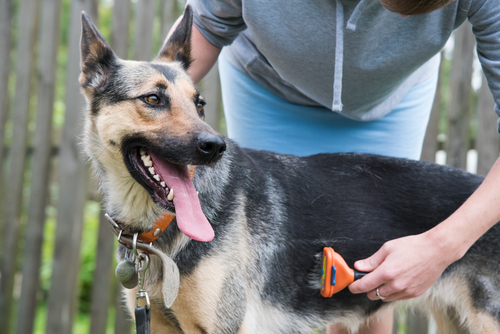
Brushing Long-Coated Dogs
Brushing is the most critical grooming task for long coats.
Why it matters:
- Prevents painful mats
- Removes debris before it reaches the skin
- Reduces shedding and hair breakage
- Improves airflow to the skin
Recommended frequency:
Daily or every other day, depending on coat density
Best tools:
- Slicker brushes
- Pin brushes
- Undercoat rakes (for double coats)
- Wide-tooth combs for finishing
Brushing should be slow and methodical, working in sections.
Managing Mats and Tangles
Mats are not just cosmetic—they can:
- Pull painfully on skin
- Trap moisture and bacteria
- Lead to sores or infections
Never cut mats close to the skin without proper technique. If mats are severe, professional grooming is the safest option.
Bathing Long-Coated Dogs
Bathing long-coated dogs requires preparation.
Before bathing:
- Fully brush out the coat
- Remove tangles
- Check ears and paws
After bathing:
- Dry thoroughly (towels + airflow)
- Brush during drying to prevent new mats
- Avoid air-drying dense coats
Wet coats left unattended can mat quickly and trap moisture against the skin.
Nail, Ear, and Dental Care (All Coats)
Coat length does not reduce the importance of these areas.
Nail Trimming
- Trim every 3–4 weeks
- Overgrown nails affect posture and joint health
- Short, frequent trims reduce stress
Ear Care
- Check weekly
- Clean gently as needed
- Long ears and folded ears require extra vigilance
Dental Hygiene
- Brush teeth multiple times per week
- Dental care impacts heart, kidney, and gum health
- Early routines prevent resistance later
These practices align closely with foundational training and handling routines covered in:
👉 Puppy Preparation Checklist for First-Time Owners
Grooming as a Training and Bonding Tool
Grooming is also a behavioral exercise.
Consistent, calm grooming:
- Builds trust
- Improves handling tolerance
- Reduces stress during vet visits
- Reinforces routine and structure
Short, positive sessions are more effective than infrequent, prolonged ones.
Seasonal Grooming Considerations
Coat needs change with the seasons.
Shedding seasons:
- Increase brushing frequency
- Focus on undercoat removal
Cold weather:
- Avoid shaving double-coated dogs
- Monitor dry skin
Warm weather:
- Maintain airflow through brushing
- Avoid over-bathing
Seasonal care pairs naturally with exercise adjustments discussed in:
👉 Exercise Needs by Dog Size and Breed Type
Common Grooming Mistakes to Avoid
- Skipping brushing because the coat is “short”
- Bathing too frequently
- Using human grooming products
- Ignoring ears and teeth
- Cutting mats without experience
- Waiting until problems appear
Preventive grooming is always easier than corrective grooming.
Creating a Sustainable Grooming Routine
The best grooming routine is one you can maintain.
Start by:
- Choosing tools appropriate for your dog’s coat
- Setting a realistic schedule
- Keeping sessions calm and predictable
- Rewarding cooperation
Over time, grooming becomes a normal part of daily life—not a struggle.
Final Thoughts
Grooming fundamentals begin with understanding coat type—but they extend into health, behavior, and quality of life. Whether your dog has a sleek short coat or a flowing long one, consistent grooming supports comfort, confidence, and early detection of problems.
Modern dog ownership prioritizes proactive care. Grooming is not optional—it is a core responsibility that strengthens the human-dog bond while supporting long-term wellbeing.
📘 Continue Exploring Grooming & Preventative Care
(Article #7: Grooming Fundamentals for Short- and Long-Coated Dogs)
Grooming supports comfort, skin health, and early issue detection. These articles expand on whole-dog care beyond appearance alone:
→ What Every Dog Owner Should Know Before Choosing a Breed
→ How Dog Temperament Varies Across Breeds
→ Understanding Responsible Dog Breeding
→ Puppy Preparation Checklist for First-Time Owners
→ Dog Nutrition Basics: What Owners Often Get Wrong
→ Exercise Needs by Dog Size and Breed Type
→ Signs of a Well-Bred Dog
Preventative care is one of the most overlooked responsibilities of dog ownership.