Modern dog ownership looks very different than it did even a decade ago. Changes in work habits, living environments, technology, and family structures have reshaped how people choose, raise, and care for their dogs.
Dogs today are not simply pets—they are integrated members of households, daily routines, and emotional lives. Understanding how modern lifestyles influence dog ownership helps owners make informed, responsible decisions that support long-term wellbeing for both dogs and people.
For a foundational overview of responsible ownership, start here:
👉 What Is Modern Dog Ownership?
Remote Work and the Rise of the “Always-Home” Dog
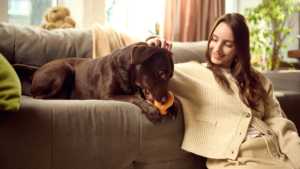
The growth of remote and hybrid work has significantly altered the daily lives of dogs. Many dogs now spend most of their time alongside their owners, sharing workdays, routines, and living spaces.
Benefits of Increased Time Together
Dogs in work-from-home households often experience:
- Stronger human bonds
- More consistent daily routines
- Increased mental stimulation
- Earlier detection of health or behavioral changes
This constant presence allows owners to become more attuned to their dog’s emotional and physical needs.
New Challenges Modern Owners Must Address
While increased companionship has benefits, it can also create challenges:
- Separation anxiety when owners leave
- Overdependence on constant human presence
- Difficulty adapting to schedule changes
Modern dog ownership requires intentional independence training. Teaching dogs how to rest calmly alone is now a critical skill, not an optional one.
For guidance on preparing dogs for structured routines, see:
👉 Training Foundations Every Dog Should Learn
Urban Living and Space-Conscious Dog Care
As more people live in cities, apartments, and smaller homes, space constraints have changed how dogs are exercised, stimulated, and managed.
Quality of Environment Over Size
Successful modern dog care focuses on:
- Structured walks instead of large yards
- Mental enrichment rather than constant activity
- Calm indoor behavior as a learned skill
Dogs can thrive in smaller spaces when routines, boundaries, and enrichment are intentionally provided.
Navigating Shared Environments
Urban dogs regularly encounter:
- Elevators, hallways, and shared entryways
- Increased noise and movement
- Close proximity to unfamiliar people and dogs
These environments make neutrality and impulse control essential life skills.
For help matching lifestyle to dog needs, explore:
👉 Choosing the Right Dog for Your Lifestyle
Changing Family Structures and Expanded Dog Roles
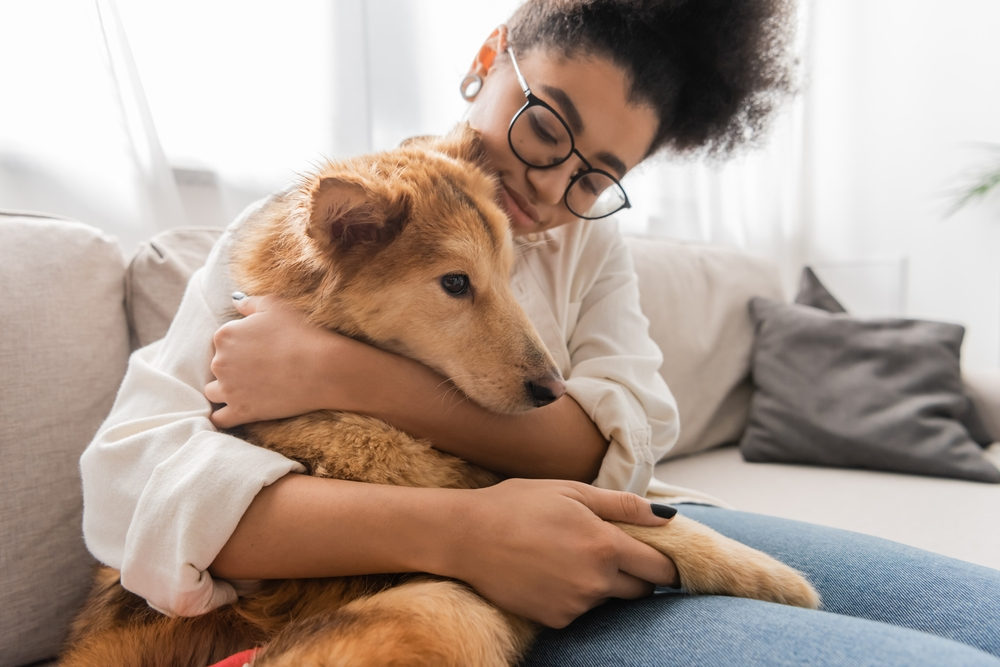
Modern households come in many forms—single adults, child-free homes, blended families, and multi-generational households. Dogs often play a larger emotional role than in the past.
Dogs as Emotional Anchors
In modern homes, dogs often provide:
- Companionship during remote work
- Emotional regulation during stressful periods
- Stability during life transitions
Because of this, owners must balance affection with structure to prevent emotional overload.
Clear routines and predictable boundaries help dogs feel secure rather than overwhelmed.
Technology’s Influence on Dog Ownership
Modern dog owners now have access to tools that previous generations never imagined. When used thoughtfully, technology can enhance care, safety, and communication—but it can also create false confidence if relied on too heavily.
Common Tools in Modern Dog Care
Today’s owners frequently use:
- GPS tracking collars and smart tags
- Pet cameras and remote treat dispensers
- Automated feeders and water systems
- Mobile training and health-tracking apps
These tools can improve awareness and convenience, especially for busy households. However, technology should support—not replace—direct interaction, training, and observation.
Dogs still require hands-on guidance, real-world exposure, and consistent leadership. No device can substitute for relationship-based care.
Increased Awareness of Ethical Breeding and Health
Modern dog owners are more informed than ever about genetics, breeding practices, and long-term health outcomes. This shift has encouraged a move away from impulse purchases and toward education-driven decisions.
What Modern Owners Are Prioritizing
Responsible owners now look for:
- Transparent breeding practices
- Health testing and documentation
- Stable temperament over appearance
- Predictable structure and size expectations
This growing awareness benefits dogs by reducing the demand for poorly bred animals and encouraging ethical standards across breeds.
To understand how early decisions shape long-term outcomes, read:
👉 Signs of a Well-Bred Dog
Mental Stimulation Becomes a Core Requirement
Mental engagement is no longer optional in modern dog ownership—it is foundational. Dogs that are mentally fulfilled are calmer, more adaptable, and better equipped to handle changing environments.
Practical Ways Modern Owners Provide Enrichment
Effective mental stimulation includes:
- Short, structured training sessions
- Food puzzles and slow feeders
- Scent-based games and exploration walks
- Learning calm behaviors in stimulating environments
Mental work tires a dog in a healthy way and reduces the need for constant physical exertion, especially in space-limited homes.
For a deeper breakdown of balancing activity and enrichment, see:
👉 Exercise Needs by Dog Size and Breed Type
Social Expectations in a Connected World (Continued)
In today’s connected environments, dogs are often expected to remain composed in situations that would have been rare in the past. Elevators, patios, shared workspaces, and crowded sidewalks require emotional regulation—not excitement or avoidance.
Why Neutral Behavior Is the Goal
A well-adjusted modern dog is one who can:
- Observe without reacting
- Move calmly through unfamiliar spaces
- Recover quickly from unexpected stimuli
- Take cues from their handler rather than the environment
Neutrality allows dogs to exist comfortably in public settings without stress. It also protects dogs from being labeled “problematic” simply for reacting to overwhelming situations.
This shift has led modern owners to value early exposure and calm guidance rather than forced interaction.
For insight into how early experiences shape this balance, continue with:
👉 How Dog Temperament Varies Across Breeds
The Owner’s Role in Modern Dog Wellbeing
Modern dog ownership places greater responsibility on humans than ever before. Dogs are asked to adapt to human schedules, living spaces, and social rules—so owners must meet them with clarity, structure, and empathy.
What Modern Dogs Need From Their Humans
Successful modern ownership includes:
- Predictable routines
- Clear boundaries and expectations
- Consistent communication
- Opportunities for rest and decompression
Dogs thrive when they understand what is expected of them and when their needs are met proactively rather than reactively.
Preparation plays a major role in this success. Owners who plan ahead experience fewer behavioral challenges and smoother transitions.
To support this transition, explore:
👉 Puppy Preparation Checklist for First-Time Owners
Adapting Care as Lifestyles Continue to Change
Modern life will continue to evolve—and so will dog ownership. Flexibility, education, and intentional care will define successful human–dog relationships moving forward.
Owners who remain open to learning and adapting are best positioned to:
- Prevent stress-related behaviors
- Support emotional stability
- Build long-term trust
- Maintain balance as routines shift
Modern dog living is not about perfection. It is about awareness, preparation, and choosing practices that respect a dog’s needs in a human-centered world.
Final Thoughts: Defining Modern Dog Living
Modern dog ownership is not defined by trends, technology, or convenience—it is defined by intentional care.
Today’s dogs live closer to humans than ever before. They share homes, routines, and emotional space. In return, they depend on owners to provide structure, clarity, and stability within environments that were not designed for canine instincts.
Successful modern dog ownership means:
- Choosing dogs that fit real lifestyles
- Preparing environments thoughtfully
- Prioritizing mental and emotional health
- Supporting calm, adaptable behavior
- Continuing education as needs evolve
When owners understand how modern life shapes a dog’s experience, they can make better decisions—ones that support confidence, balance, and lifelong wellbeing.
Modern dog living is not about doing more.
It is about doing better—with awareness, responsibility, and respect for the dog behind the lifestyle.
📘 Continue Exploring Modern Dog Living
Build a deeper understanding of responsible, modern dog care through our foundational guides:
→ What Is Modern Dog Ownership?
→ How Dog Temperament Varies Across Breeds
→ Understanding Responsible Dog Breeding
→ Puppy Preparation Checklist for First-Time Owners
→ Dog Nutrition Basics: What Owners Often Get Wrong
→ Exercise Needs by Dog Size and Breed Type
→ Grooming Fundamentals for Short- and Long-Coated Dogs
→ Signs of a Well-Bred Dog